

She wakes up before everyone else. She manages the home, the office, the children, and still smiles through the day.
But quietly, many women carry something else – a dull, persistent ache in their lower back that they push aside, hoping it will go away on its own.
According to the World Health Organization (WHO), low back pain is the leading cause of disability worldwide.[1] Around 619 million people globally suffer from it and women are affected more frequently than men.
Understanding the cause for lower back pain in women is the first step towards relief and this blog is here to help you do exactly that.
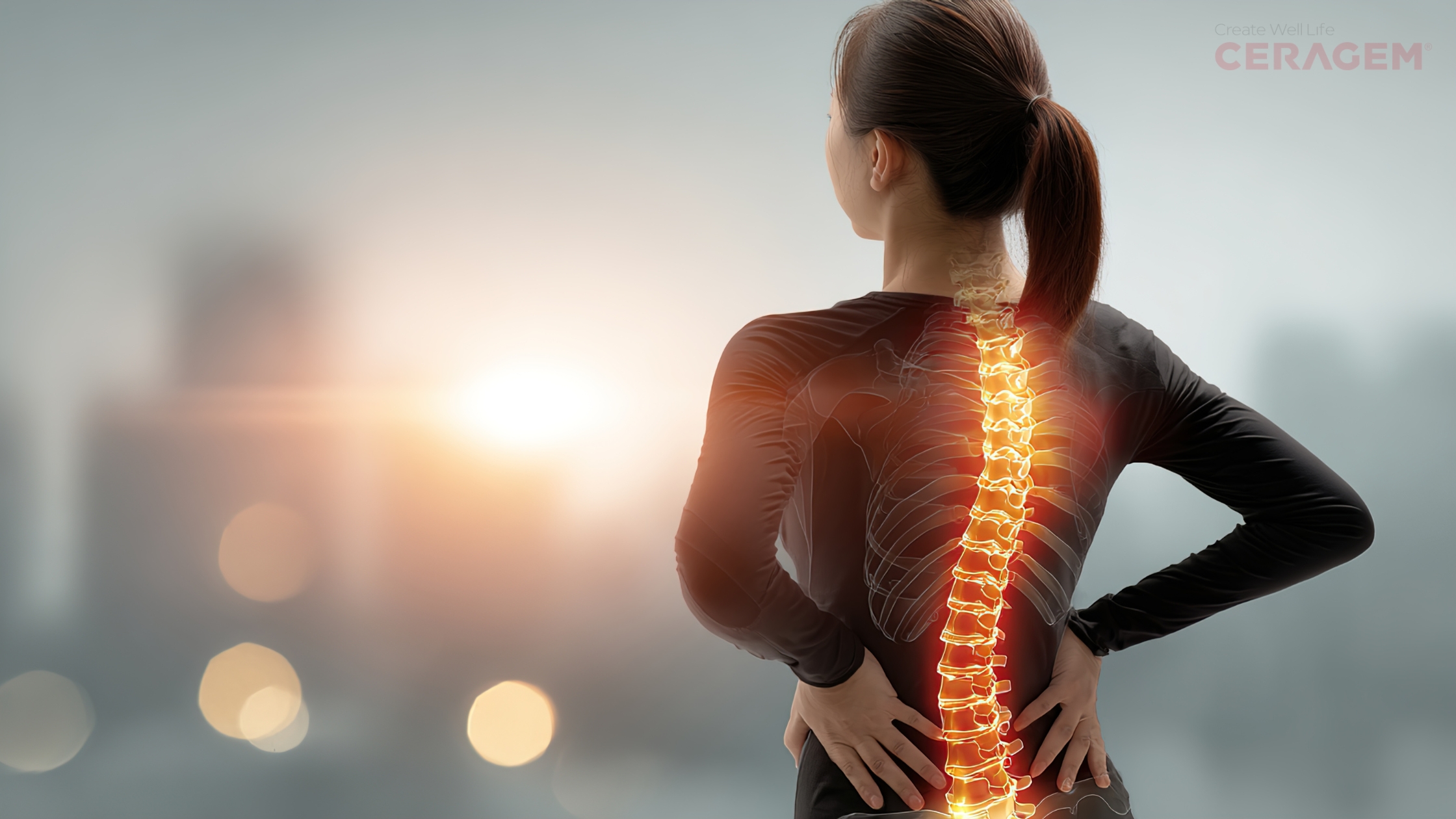
Why Lower Back Pain Is More Common in Women?
Women’s bodies go through more hormonal and physical changes than men’s across a lifetime.
As pregnancy progresses, the growing uterus the inward curve of the lower back. This helps maintain balance but adds extra stress on the lower spine, causing back pain.[2]
Together, these make women more vulnerable to back problems.
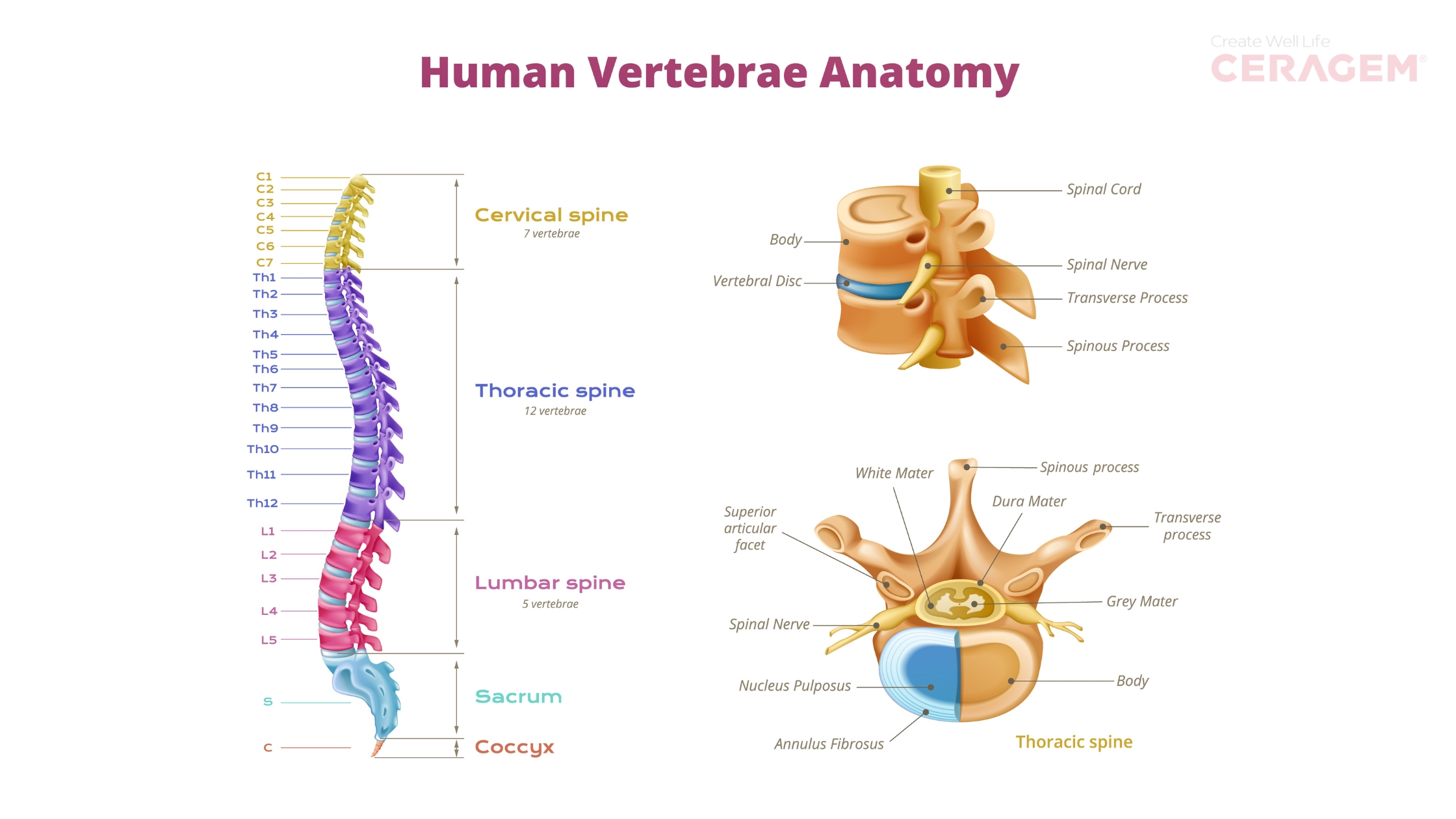
Top Causes for Lower Back Pain in Women
1. Poor Posture and Long Sitting
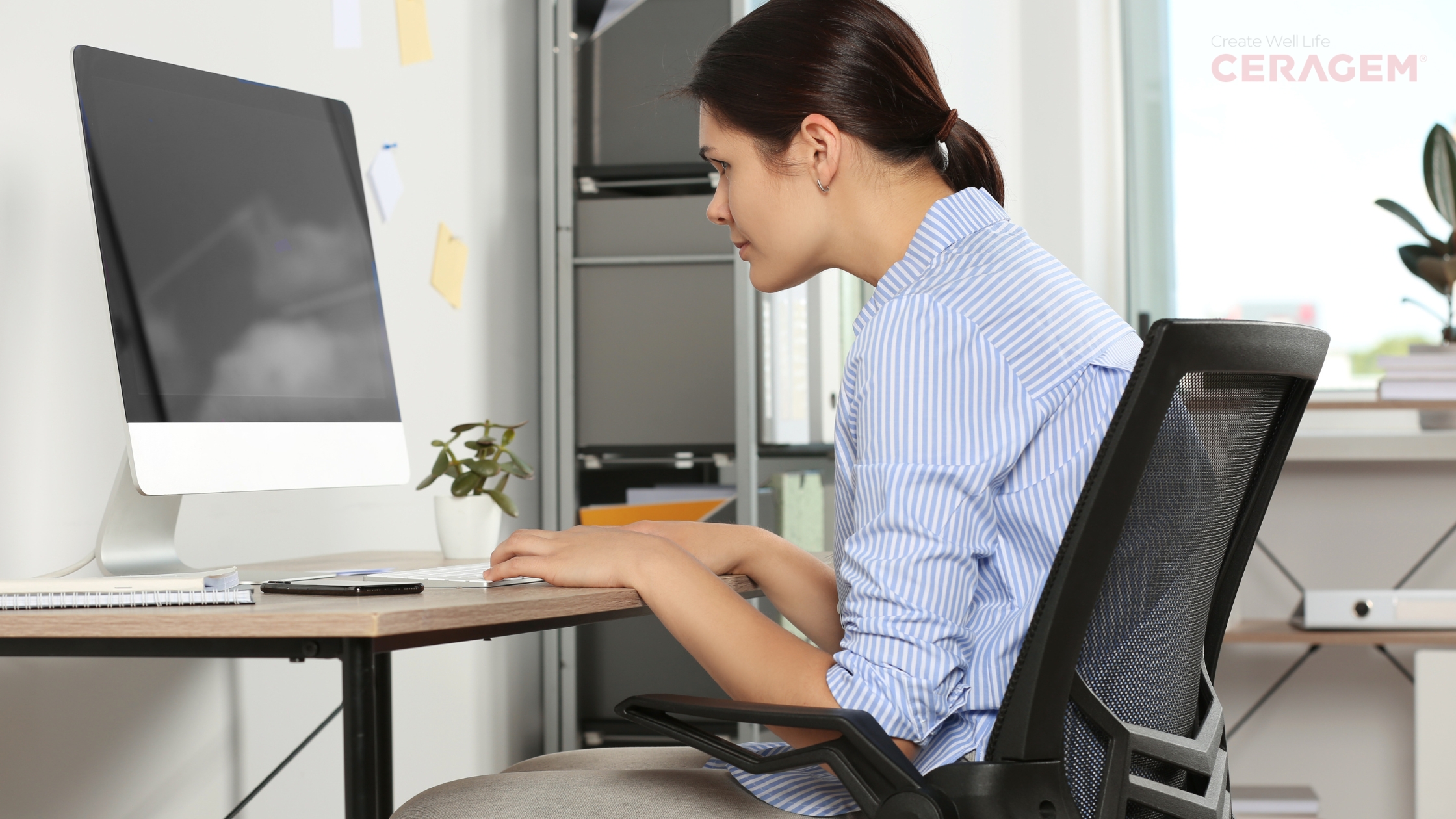
Millions of working women spend 6–8 hours daily at a desk or on a laptop.
Slouching, craning the neck to look at a phone, or working on a low table all put uneven pressure on the lower back.
2. Back Pain in Pregnancy
The Cleveland Clinic notes that Back pain is a common discomfort during pregnancy, affecting about 40% of all pregnant women at some point.[3][4][5][6]
Having pain in your back or lower back happens for many reasons, like changing hormones or a shifting center of gravity.[7][8]
As Johns Hopkins Medicine explains, posture changes and center-of-gravity shifts during pregnancy put significant strain on the spine muscles.[9]
After delivery, bending repeatedly to lift and feed the baby, combined with sleep deprivation, keeps that strain going.
3. Menstrual Cycle and Hormonal Changes
Many women experience lower back pain just before or during their period.
The pain often radiates to the lower back and hips, making it feel like a deeper, aching discomfort.
4. Household Activities
This one often goes unnoticed because it feels ‘Normal.’
Repetitive bending whether mopping floors, picking up toys or loading a washing machine strains the lumbar spine repeatedly.

5. Stress and Mental Load
Women carry enormous emotional and mental responsibilities and the body keeps the score.
Chronic stress causes muscles to tighten involuntarily, especially in the shoulders, neck and lower back.
Poor sleep, which often accompanies stress, prevents muscle recovery. This creates a cycle where stress causes pain and pain disrupts sleep, which increases pain.
Anxiety and depression have been shown to amplify the perception of physical pain.[10]
Warning Signs Women Should Never Ignore
- Pain that radiates down one or both legs (could indicate a disc issue or nerve compression).
- Numbness or tingling in the legs or feet.
- Fever accompanied by back pain (could signal a kidney infection or pelvic infection).
- Severe back pain during pregnancy especially with bleeding or contractions.
- Loss of bladder or bowel control (emergency consult a doctor immediately).
- Pain lasting more than 2 weeks without any improvement
The Mayo Clinic advises that back pain during pregnancy should always be discussed with a healthcare provider, especially if it is severe or persistent.[11]
Simple Prevention Tips for Everyday Life
You do not need a gym membership to protect your spine. Small, consistent habits matter more:
- Be aware of your posture throughout the day especially while sitting and while looking at your phone.
- Take a 5-minute movement break every hour if you sit for long periods. Walk, stretch gently or simply stand.
- Sleep on a mattress that supports the natural curve of your spine not too soft, not too hard.
- When bending to pick something up, bend your knees not just your back.
- Distribute bag weight evenly across both shoulders where possible.
- Keep your body warm in cold weather cold muscles are more prone to spasms.
When to Consult a Doctor
Do not wait too long.
- Your back pain has lasted more than 2 weeks without improvement.
- The pain is radiating to your legs or causing numbness.
- You are pregnant and experiencing significant discomfort.
- The pain is affecting your sleep, work, or daily activities.
An early consultation can prevent a manageable problem from becoming a chronic condition.
Take the First Step Today
Lower back pain is not something women should simply ‘live with.’
Whether you are a homemaker, a working professional, a new mother, or someone navigating midlife changes your spine health matters.
Understanding the cause for lower back pain in women is not about fear. It is about awareness, early action, and knowing that help is available.
Your back supports everything you do. It is time to support it back.
Disclaimer: This article is for informational purposes only. It is not medical advice, diagnosis, or treatment. If you have back pain or health concerns, consult a qualified healthcare provider. Individual results with massage therapy vary. What works for one person may not work for another. Never ignore or delay professional medical advice based on information in this article.
References:
- https://www.who.int/news-room/fact-sheets/detail/low-back-pain ↩︎
- https://journals.lww.com/armh/fulltext/2025/05000/role_of_pilates_on_pregnancy_and_its_related.17.aspx ↩︎
- https://my.clevelandclinic.org/health/symptoms/back-pain-during-pregnancy ↩︎
- https://my.clevelandclinic.org/health/diseases/22325-back-pain ↩︎
- https://www.ncbi.nlm.nih.gov/pmc/articles/PMC10693090/ ↩︎
- https://my.clevelandclinic.org/health/articles/sex-recorded-at-birth ↩︎
- https://my.clevelandclinic.org/health/diseases/7936-lower-back-pain ↩︎
- https://my.clevelandclinic.org/health/articles/22464-hormones ↩︎
- https://www.hopkinsmedicine.org/health/conditions-and-diseases/staying-healthy-during-pregnancy/pregnancy-and-posture ↩︎
- https://www.health.harvard.edu/mind-and-mood/depression-and-pain ↩︎
- https://www.mayoclinic.org/healthy-lifestyle/pregnancy-week-by-week/in-depth/pregnancy/art-20046080 ↩︎
Verry effective