
Back pain rarely starts overnight.
For most people, it begins quietly – a little stiffness in the morning, discomfort after sitting too long, or a dull ache at the end of the day.
Over time, everyday habits like long hours of sitting, poor posture, limited movement, and natural changes in muscle flexibility can put extra strain on the back.
When these patterns continue day after day, back discomfort can slowly become a regular part of life.
Massage for back pain relief is often used as a supportive wellness practice. Many people turn to massage to relax muscles and feel more at ease in their bodies.
While it isn’t a quick fix, massage is commonly included as part of a balanced self-care routine for maintaining back comfort.
In this article, we’ll explore how massage may help with back pain, the different massage techniques often used, and important things to keep in mind before making it part of your routine.
Understanding Back Pain in Daily Life
Back pain is one of the most common physical complaints worldwide. A fact sheet from the World Health Organization states that low back pain is the leading cause of disability globally.
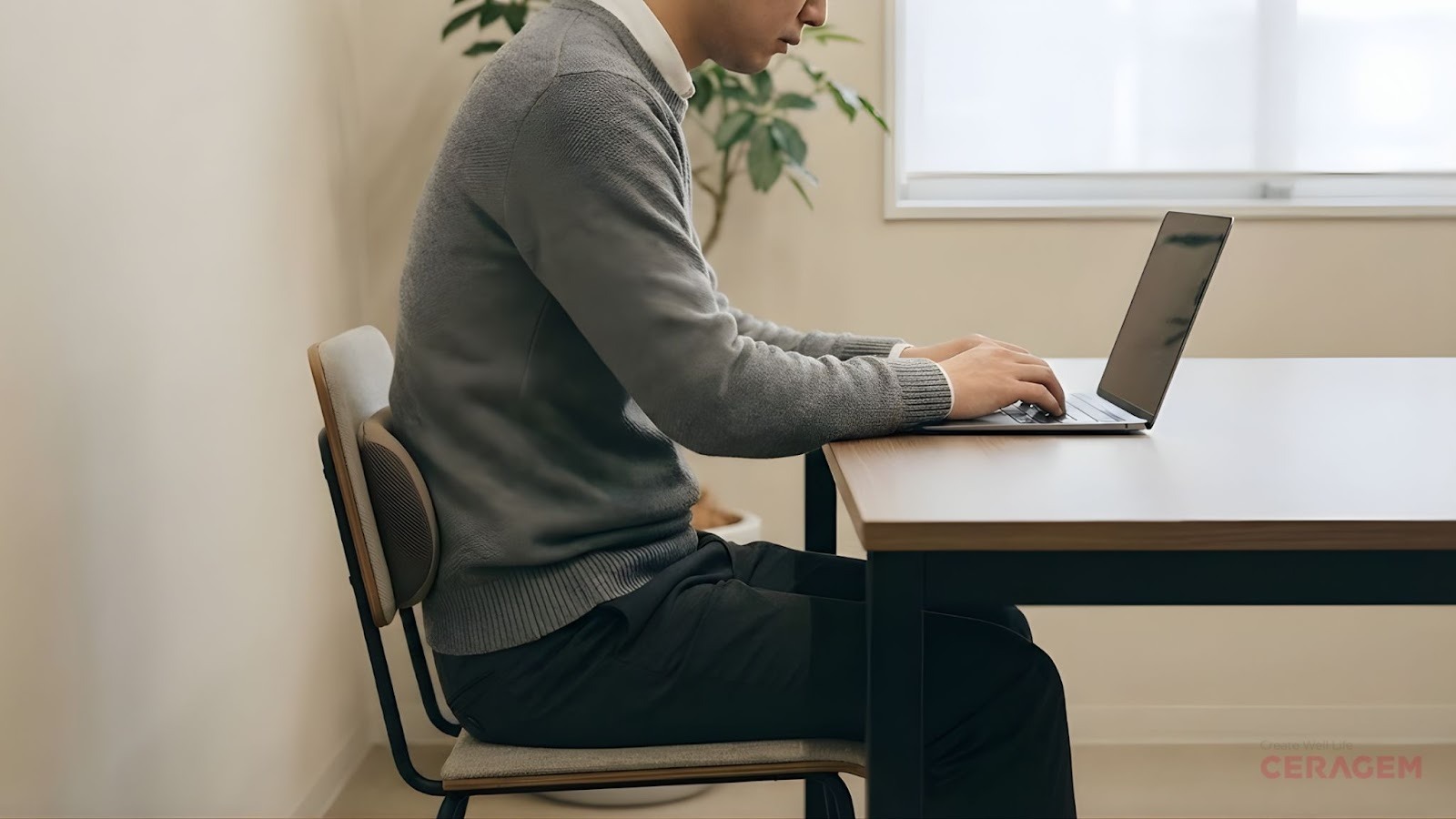
In everyday life, back discomfort often builds up from simple, repeated habits – things we rarely notice until pain becomes persistent:
- Prolonged sitting or inactivity
- Poor posture while working or using screens
- Muscle stiffness from lack of movement
- Natural wear and tear on muscles and joints over time
What Is Massage Therapy?
Massage therapy is a simple, hands-on way of helping the body feel more relaxed and comfortable.
In simple terms, it means using hands to gently rub, press, or knead the muscles and soft tissues of the body.
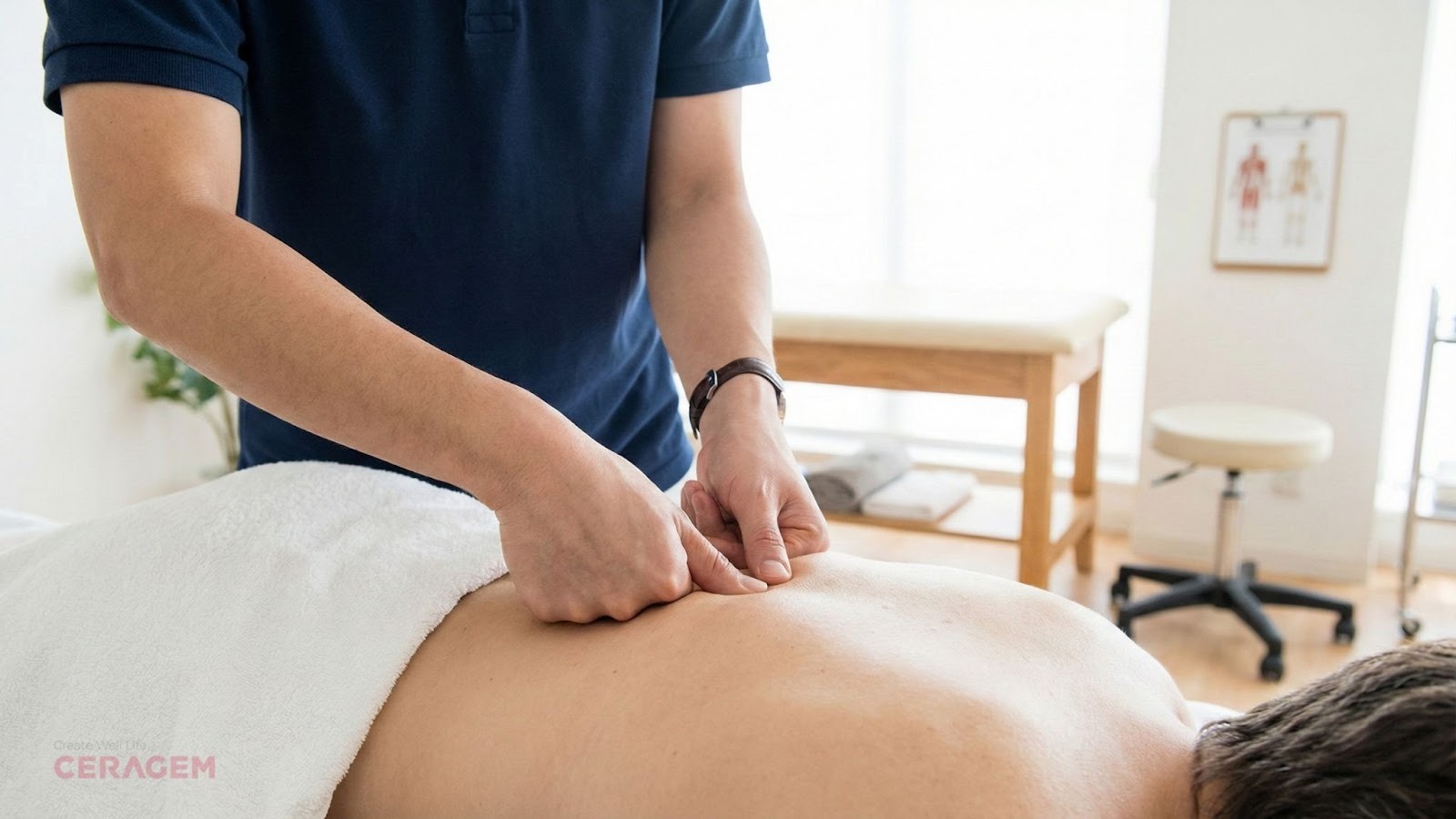
Along with manual techniques, modern massage therapy also uses thermal massagers, which apply gentle movements and soothing warmth to the body.
The goal is to help release tightness, reduce everyday aches, and create a feeling of relaxation and well-being.
Many people think of massage as a way to unwind – and that’s true. When muscles are worked gently, the body often feels lighter, looser, and less stressed.
How Massage May Help with Back Pain
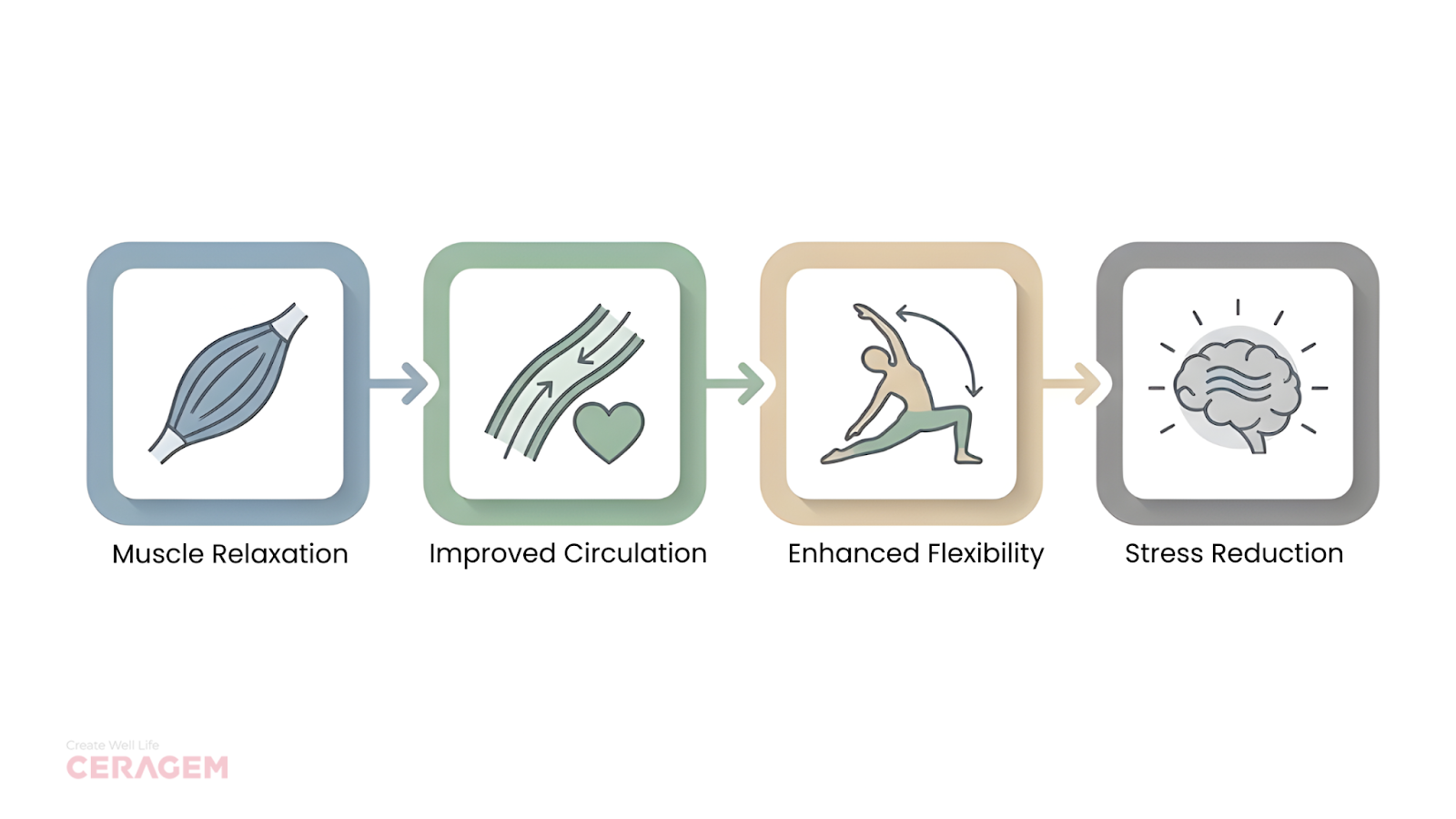
Massage for back pain may help in:
01. Muscle Relaxation
Tight or overworked muscles are a common contributor to back discomfort. Long periods of sitting, repetitive movements, or poor posture can cause muscles to remain contracted for extended periods.
Over time, this constant tension may lead to stiffness, soreness, and reduced comfort during daily activities.
Massage may help by gently working on these tight muscle areas, encouraging them to relax.
A randomized controlled trial published in Annals of Internal Medicine found that therapeutic massage was associated with reduced muscle-related pain and improved function in individuals with chronic low back pain.
02. Improved Circulation
Beyond relaxation, circulation also plays a key role. When muscles remain tense or inactive for long periods, blood flow to the area may be reduced.
This can limit the delivery of oxygen and nutrients that muscles need to function properly and recover from strain.
Massage may help stimulate blood flow in the treated areas through rhythmic pressure and movement.
According to an article published in the National Library of Medicine, massage was shown to increase local circulation, which may support muscle recovery and reduce discomfort.
03. Enhanced Flexibility
Movement matters too, especially when stiffness limits daily activity.
Muscle stiffness can restrict natural movement and make everyday actions – such as bending, twisting, or standing up – feel uncomfortable.
Reduced flexibility may also place additional stress on surrounding muscles and joints, increasing the risk of ongoing back discomfort.
Massage may help support flexibility by loosening tight muscles and connective tissues.
A systematic review published in Pain Medicine reported that massage therapy may improve range of motion and functional movement in people experiencing musculoskeletal pain.
04. Stress Reduction
There’s also the stress factor – often overlooked, but significant.
Stress does not only affect the mind – it often shows up physically in the body.
Many people carry stress in areas such as the back, neck, and shoulders, leading to unconscious muscle tightening.
Over time, this tension can contribute to persistent discomfort and reduced relaxation.
Massage is widely used to promote relaxation and calm the nervous system. Research published in Frontiers in Psychology suggests that massage may reduce cortisol levels (a stress hormone) while promoting relaxation responses in the body.
Types of Massage Commonly Used for Back Pain
Different massage techniques for back pain work in different ways. Here are the most common types:
Swedish Massage
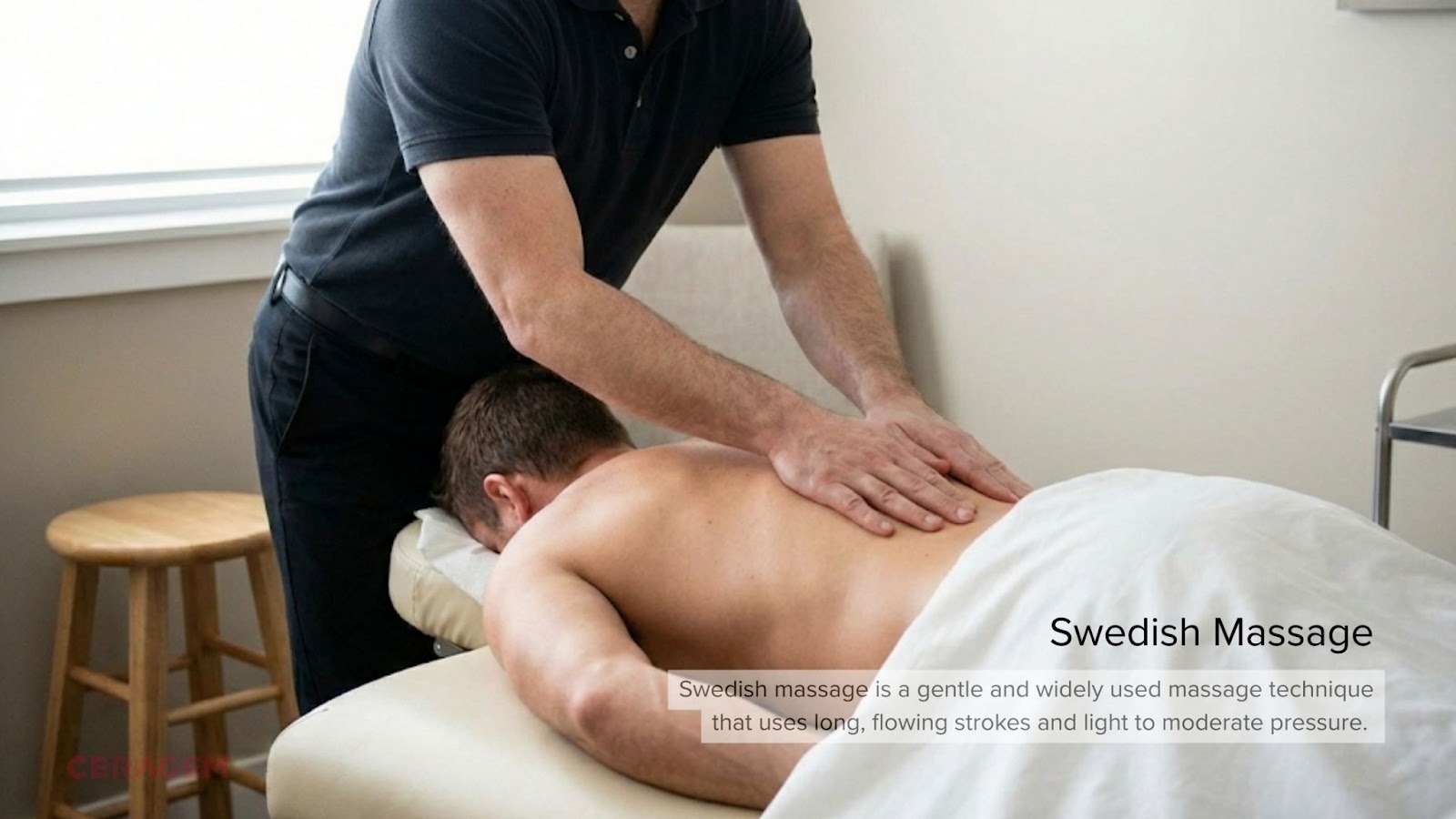
Swedish massage is a gentle and widely used massage technique that uses long, flowing strokes and light to moderate pressure.
It works by relaxing surface muscles, improving circulation, and calming the nervous system, which may help reduce stress-related muscle tension in the back.
This type of massage is suitable for people with mild to moderate back discomfort, beginners, seniors, or anyone looking for relaxation rather than intense pressure.
Research published in PubMed supports its role in reducing perceived muscle tension and promoting relaxation.
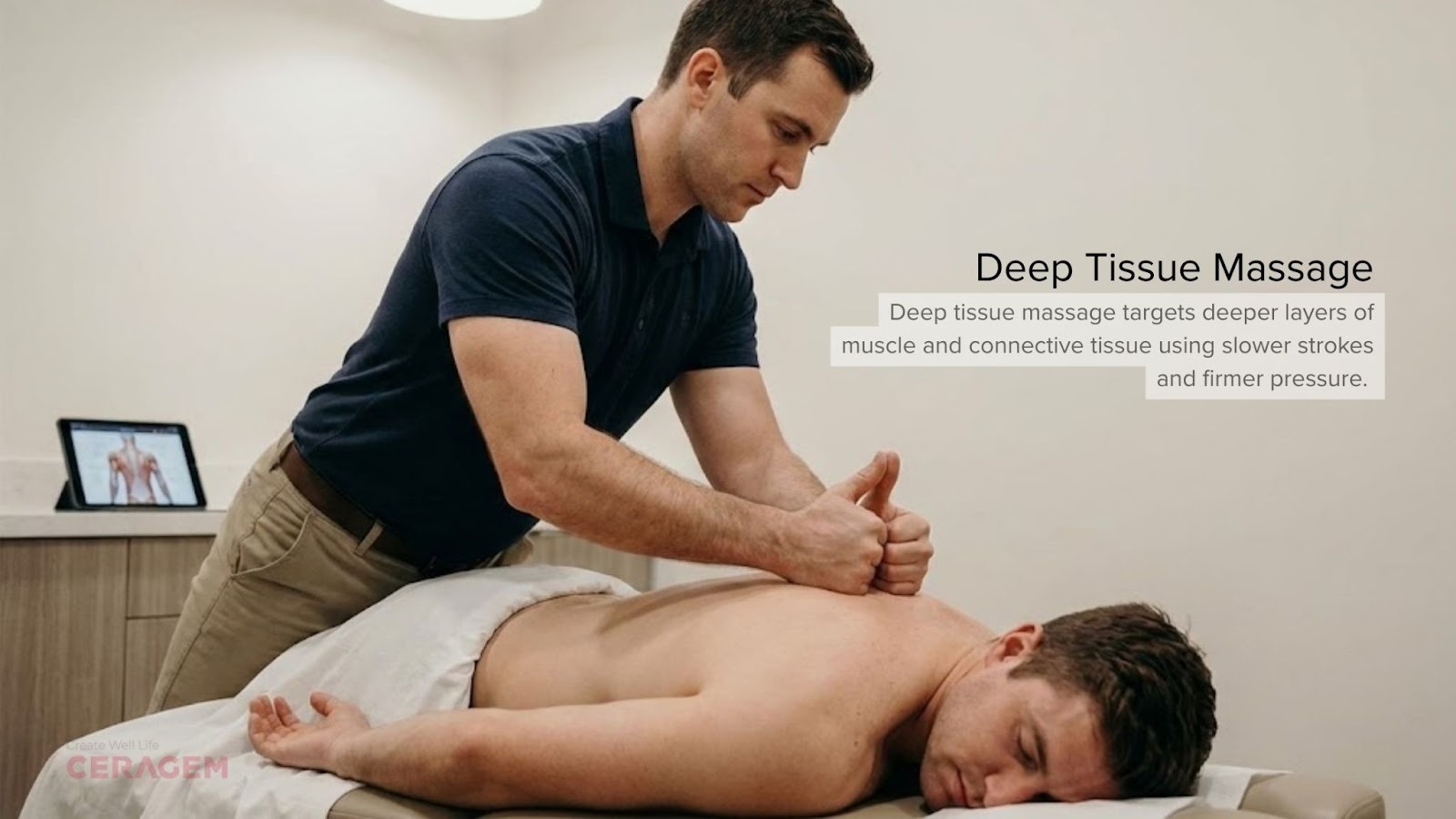
Deep Tissue Massage
Deep tissue massage targets deeper layers of muscle and connective tissue using slower strokes and firmer pressure.
It works by releasing long-standing muscle tightness and improving mobility in areas where muscles may have shortened or stiffened over time.
This massage may benefit people with chronic back stiffness, recurring muscle tightness, or discomfort linked to repetitive strain.
A study published in The Scientific World Journal found deep tissue massage to be associated with reduced pain and improved function in individuals with chronic low back pain.
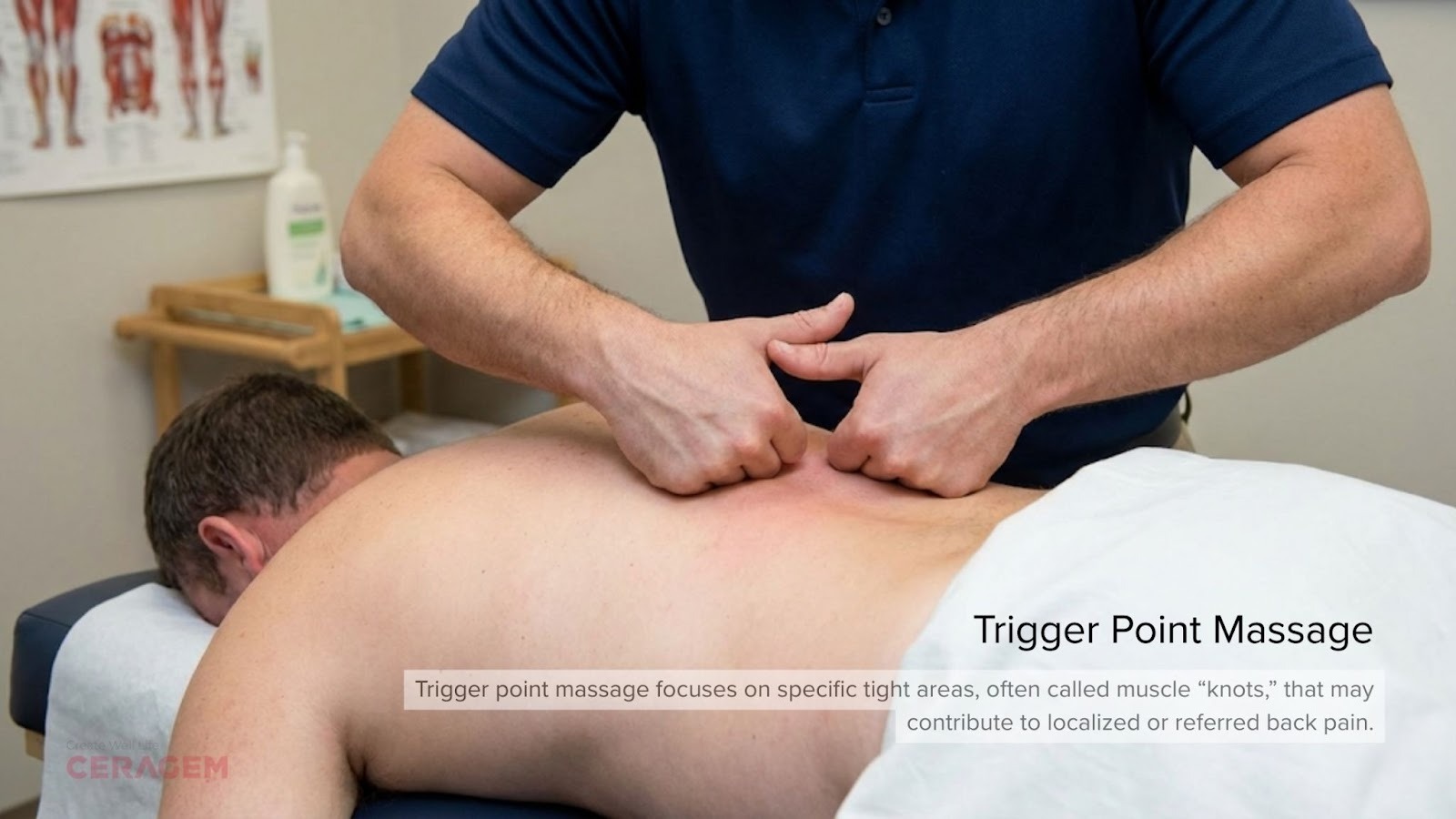
Trigger Point Massage
Trigger point massage focuses on specific tight areas, often called muscle “knots,” that may contribute to localized or referred back pain.
Applying targeted pressure to these points helps relax the muscle fibers and may improve blood flow to the affected area.
This technique may be helpful for people who experience pain coming from a specific spot in the back rather than widespread discomfort.
A review published in the Journal of Bodywork and Movement Therapies suggests trigger point therapy may help reduce localized muscle pain and improve movement.
Thermal Massage
Automatic thermal massagers and massage beds use gentle mechanical movements along with controlled heat to massage the back.
Many modern devices are designed to automatically scan the shape and length of the spine before starting the session.
This allows the massage rollers and heat to adjust according to individual body structure, so the massage follows the natural curve of the spine instead of applying the same pressure everywhere.
These devices are generally positioned as wellness tools rather than medical treatments.
Research published in Frontiers in Medical Technology explains that massage beds combining mechanical pressure, heat therapy, and automated control systems may support muscle relaxation, improved circulation, and reduced back discomfort when used regularly as part of a wellness routine.
Massage for Back Pain in Office Workers
Office workers deal with specific back pain issues. Long sitting hours and repetitive movements create muscle tension.
Desk work affects the entire back. Screen time causes forward head posture, straining neck and upper back. Poor lumbar support creates lower back tension.
For massage for lower back pain from desk work, consistency matters more than intensity. Shorter, regular sessions work better than occasional long treatments.
Massage alone is not enough. Combine it with regular breaks, proper ergonomics, stretching, and physical activity.
Is Massage Safe for Seniors with Back Pain?
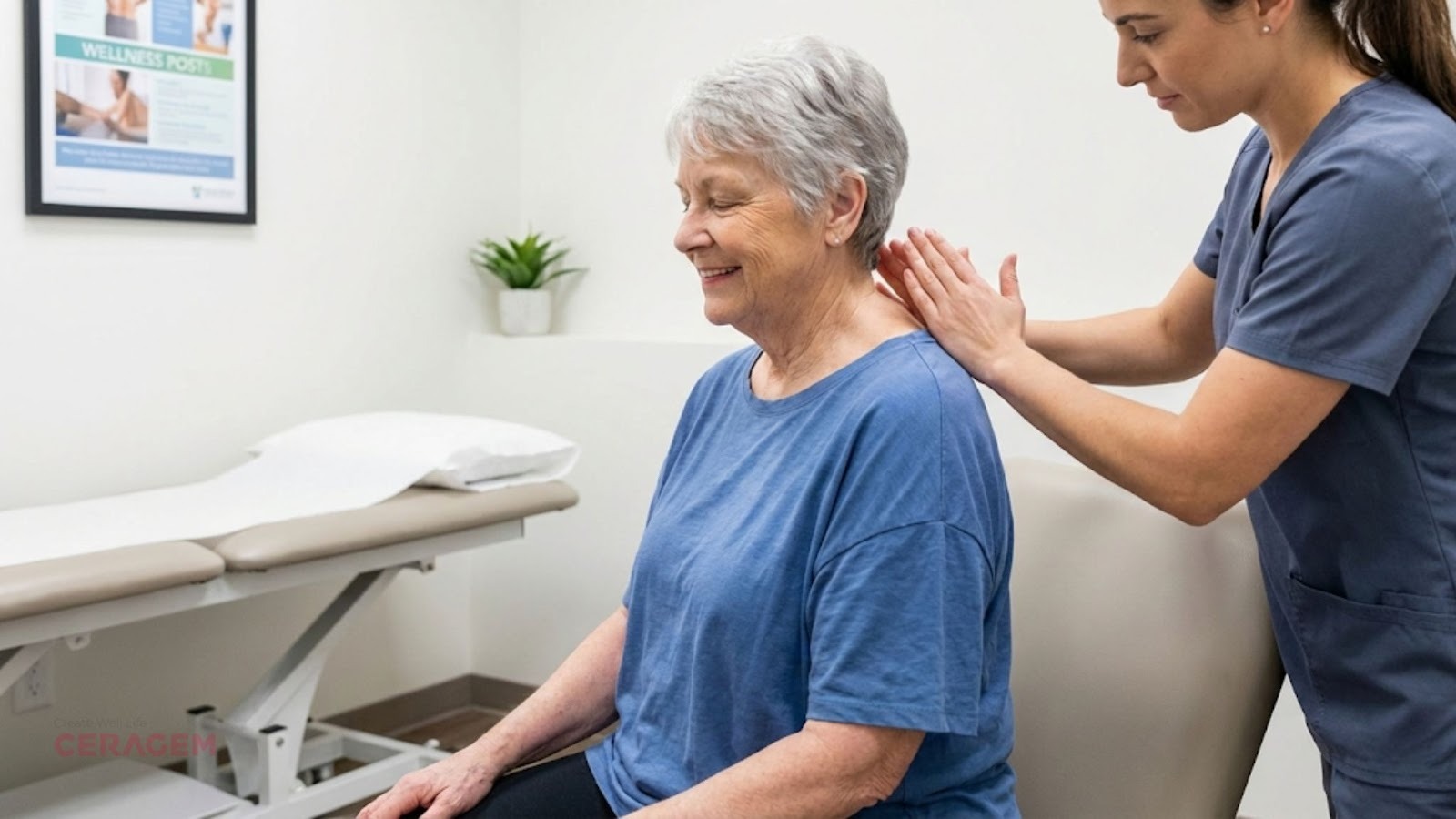
Yes, massage is good for back pain for seniors when done properly. Gentle techniques like Swedish massage or acupressure work well for older adults.
Age-related changes mean lighter pressure works better. Thinner skin and reduced bone density require modified approaches.
Consult a doctor first if you have recent fractures, severe osteoporosis, blood clotting issues, recent surgery, or uncontrolled health conditions.
How Often Should Massage Be Done for Back Discomfort?
There is no one-size-fits-all answer. The ideal frequency of massage depends on factors such as the severity of discomfort, daily activity levels, overall health, and how your body responds to treatment.
For acute back discomfort, more frequent sessions – such as once or twice a week – may be helpful in the short term when guided by a qualified professional. For chronic back issues or preventive care, less frequent, ongoing sessions (such as once a month) are often sufficient to support muscle relaxation and mobility.
Rather than intensity, consistency is key. Regular, moderate massage sessions are generally considered more beneficial for long-term comfort and muscle health than occasional, intensive treatments.
When Massage May Not Be Suitable
Avoid massage if you have acute injuries, recent surgery, or severe unexplained pain. These need medical evaluation first.
Also consult your doctor before massage if you have active infections, skin conditions, blood clots, certain cancers, or uncontrolled diabetes.
Frequently Asked Questions
For many people, yes. Studies show massage can reduce muscle tension and improve circulation, which may help with back pain – though results vary depending on the cause and severity.
Swedish massage works well for mild tension. Deep tissue or trigger point therapy may help chronic lower back pain. Your therapist can recommend the best approach.
Some people feel relief after one session. Others need several sessions over weeks to see improvement. Consistency matters more than single sessions.
Too much pressure or massage on acute injuries can worsen pain. Always communicate with your therapist about comfort levels and avoid massage on fresh injuries.
After exercise is generally better for muscle recovery. Before exercise, lighter massage can help with warm-up, but intense massage may temporarily weaken muscles.
If you have severe pain, recent injuries, or chronic health conditions, yes. For mild tension from sitting or stress, massage is generally safe without a doctor visit.
Conclusion
Massage for back pain can be a helpful tool for managing muscle tension and discomfort.
Different techniques suit different needs, from gentle Swedish massage for relaxation to focused trigger point work for chronic knots.
Remember that massage is not a cure.
It works best as part of a broader approach that includes good posture, regular movement, and stress management. Consistency matters more than intensity.
Disclaimer: This article is for informational purposes only. It is not medical advice, diagnosis, or treatment. If you have back pain or health concerns, consult a qualified healthcare provider. Individual results with massage therapy vary. What works for one person may not work for another. Never ignore or delay professional medical advice based on information in this article.
कृप्या इस ब्लॉग को हिंदी में लिखे…इंग्लिश हमे आती नहीं है इतनी,
Thanks that awareness was good for back pain ,neck pain